

There is a lot of conflicting information out there on the benefits / danger of garlic for dogs. We know how scary it can be when you see a post on social media telling you that an item can hurt your pup. The problem is that there is a lot of misinformation out there – especially on this topic!
After reviewing all of the research here’s our conclusion: YES, it is perfectly okay to feed your dog small amounts of garlic. There are even health benefits!
The key is to never feed them excessive quantities of garlic. This is good advice for many things - example - you can die from drinking too much water. No one is likely to do that - but it is possible…
The Science:
This may be more information that you were looking for, but here is more info (both on why some say garlic is not good for dogs, and what others believe the health benefits are):
The main controversy surrounding the safety of garlic on dogs (and cats) is a compound found in garlic (and, in greater amount, in onion) called n-propyldisulfide.
This compound can, in large doses, cause oxidative damage to red blood cells, creating Heinz bodies and triggering the body to reject these cells from the bloodstream.
If large doses of this compound are ingested on a regular basis, the process can lead to Heinz-body anemia and even death.
Does that mean garlic is harmful or toxic to dogs? Not quite!
Actually, it is hard to find clinical evidence that garlic is bad for dogs.
In 2000, a study at Hokkaido University was done in which four dogs were each given 1.25 ml of garlic extract per kg of body weight for seven straight days.
So... if the dog weighed 50 pounds, he would have been given somewhere around 25 large raw garlic cloves! (Honestly, no one in their right mind would give so much garlic to their dogs in REAL LIFE, right?)
Now, in that study, even with the ridiculously excessive amount of garlic given, none of the four dogs showed any signs of toxicity. And while the garlic did affect the dogs' red blood cells, none of the dogs developed anemia.
In fact, in a 2004 study conducted by some of the same researchers who worked on the 2000 study, it was shown that the compound allicin was good for health, and that despite the high concentrations of garlic used during the study, no development of hemolytic anemia was found in the dogs.
This 2004 study has led the researchers to retract their earlier suggestion that garlic is bad for dogs. They even concluded that this herb has "the potential to promote immune functions and prevent cardiovascular diseases."
The bottom line? Use common sense!
The key to safe use of garlic for dogs is the dosage level and frequency of use. As shown in the 2000 study, for a dog to develop abnormality in his red blood cells, he would have to eat A LOT of garlic to even begin the oxidative process.
A healthy 50-pound dog may have to eat a whole 5-oz onion, or over 20 cloves of garlic, to start the Heinz-body process. Since red blood cells are constantly regenerated from the bone marrow, a dog would likely need to ingest this much amount of onion or garlic on a repeated basis to cause permanent harm.
On the Health Benefits of Garlic for Dogs:
Garlic has been used for thousands of years in Chinese and Ayurvedic medicine. It contains at least 30 compounds that have been found to be useful for a variety of conditions from skin disorders to cancer.
Holistic veterinarians have been recommending garlic for many years for its multiple health benefits.
Below are the main health benefits of garlic for dogs:
Boosting the Immune System:
-
Garlic stimulates immune functions in the bloodstream by increasing the activities of killer cells (cells that seek out and destroy invading microbes and cancer cells). So, it's safe to say that garlic is beneficial for dogs with suppressed immune systems and dogs fighting cancer. Moderate garlic supplementation in the diets of even healthy dogs can boost their immunity and prevent cancer.
Fighting Bacterial/Viral/Fungal Infections:
-
Garlic is a powerful antimicrobial and antibiotic and is effective in fighting various forms of internal or external bacterial, viral, or fungal infection, including parasites (e.g. tapeworms) and protozoan organisms (e.g. giardia). Fresh garlic fed as part of a dog's diet can fight infections of the mouth, throat, respiratory tract, stomach, or intestines. Crushed garlic diluted in olive oil can be used as a topical antiseptic for minor injuries, ear infections, or ear mites.
Enhancing Liver Function:
-
Garlic has detoxifying effects. At least six compounds contained in garlic can enhance liver function by helping the liver to eliminate toxins from the body, thereby preventing toxic accumulation that may lead to cancerous growths.
Lowering Blood Cholesterol and Triglyceride Levels:
- Uncooked garlic mixed in with food helps to lower blood cholesterol and triglyceride levels in dogs, making it useful for certain breeds (e.g. miniature schnauzers, beagles) that are predisposed to hyperlipidemia, a condition in which the amount of fats (lipids) in the blood are elevated.
Cardiovascular Tonic:
- A compound in garlic is effective at preventing blood clot formation in the vascular system. It can also reduce cholesterol levels and fat buildup in the arteries (atheorsclerosis). Therefore, it is an excellent cardiovascular tonic for older dogs.
Tick/Flea Repellent:
- The exact reason and extent of garlic's effect on tick and flea prevention is not clear. It may be due to the odor released through the dog's skin as the compounds in garlic are metabolized. Whatever the reason, there are a lot of anecdotal reports on the effectiveness of garlic (especially in combination with brewer's yeast) as a tick/flea repellent.
If you’ve read all this way – wow! We geek out on this stuff and love to dig into the science. Hope this helped put your mind at ease. I know I feel better 😊
Jiminy's Dog Treats
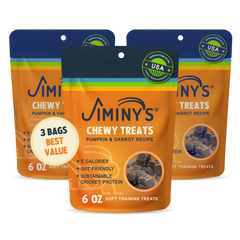
At Jiminy's we use small amounts of garlic in some of our training treat recipes. The dogs love the taste and they reap the health benefits described above. Our training treats are great for dogs with allergies, have a trainer-approved design and are guilt free (less than 3 calories a treat).

Frequently Asked Questions — Garlic and Dogs
Q: Is garlic safe for dogs to eat?
A: The safety of garlic for dogs is a debated topic. Traditional veterinary sources generally state that garlic (and other Allium plants like onions and leeks) contains compounds that can damage a dog’s red blood cells and lead to hemolytic anemia, making it potentially toxic — even in cooked or powdered forms.
Q: Can dogs eat small amounts of garlic?
A: Some research and holistic perspectives — including those reviewed in this article — suggest that small amounts of garlic do not typically cause harm and may even offer health benefits like immune support when given in moderation. The key is to avoid excessive amounts, as toxicity depends on dose and frequency.
Q: How much garlic is dangerous for dogs?
A: There’s no universally agreed “safe” or “toxic” threshold, but published veterinary sources warn that larger doses of garlic (especially over time) can damage red blood cells. The amount that could cause harm varies by dog size and individual sensitivity.
Q: What are the signs of garlic poisoning in dogs?
A: If a dog consumes a harmful amount of garlic, signs may include vomiting, diarrhea, weakness, pale gums, lethargy, difficulty breathing, and increased heart rate. These symptoms may appear within a day or a few days after ingestion.
Q: Is cooked garlic more or less harmful than raw garlic?
A: All forms of garlic — raw, cooked, powdered, or dehydrated — contain the compounds associated with toxicity, though processing doesn’t remove these entirely. In fact, dried or powdered garlic can be more concentrated in harmful compounds per weight.
Q: Why do some people feed garlic to their dogs?
A: Some holistic trainers and pet nutritionists include small amounts of garlic in canine diets for potential health benefits, such as immune support, antimicrobial properties, or cardiovascular effects, but these uses remain controversial in mainstream veterinary medicine.
Q: Can garlic ever benefit my dog’s health?
A: Some alternative and holistic sources credit garlic with benefits like immune stimulation or antimicrobial properties when used at controlled, small doses. Always discuss any dietary supplements with your veterinarian before adding them to your dog’s food.
Q: What should I do if my dog eats garlic accidentally?
A: It depends. How much did you give them? If small amount don't worry. If large amount, because garlic can be harmful in larger amounts, contact your veterinarian or a pet poison control hotline right away if your dog consumes a notable amount of garlic — especially if signs of illness appear.