

If your dog is constantly:
- scratching
- licking their paws
- getting recurring hot spots
- dealing with ear irritation
- chewing at their skin
- having an upset stomach
…you’ve probably already tried a lot of things.
Different foods.
Different treats.
Different medications.
Different proteins.
And maybe some things helped temporarily. But then the symptoms came back.
That cycle is incredibly common in dogs with chronic food sensitivities and inflammation.
At Jiminy's, we created The 8-week allergy transformation around a simpler idea:
Stop constantly changing foods. Find a protein source that works with your dog’s body — and stay consistent long enough to let real healing happen.
This isn’t really an elimination diet in the traditional sense.
We’re not asking pet parents to remove foods temporarily just to challenge and reintroduce them later.
The goal is different:
- calm inflammation
- support the gut and skin microbiome
- reduce flareups
- create consistency
- help dogs feel better long term
WHY SO MANY DOGS STAY STUCK IN THE ALLERGY CYCLE
Many dogs with allergy symptoms eat the same common proteins repeatedly:
- chicken
- beef
- dairy
- lamb
- fish
Those are also among the most common food allergens for dogs.
When a dog’s immune system is repeatedly exposed to proteins it reacts poorly to, inflammation can become chronic.
And the symptoms don’t always look the same.
Some dogs show:
- itchy skin
- paw licking
- hot spots
- red ears
Others show:
- loose stool
- gas
- stomach sensitivity
- inconsistent appetite
Many dogs show both.
That’s because the gut and immune system are deeply connected.
WHY CONSISTENCY MATTERS MORE THAN PEOPLE THINK
One of the biggest mistakes pet parents make is switching foods too quickly.
A dog starts improving… then gets new treats.
Or rotates to another protein.
Or starts getting table scraps again.
Then the flareups return.
And owners often assume:
“That food stopped working.”
But in many cases, the immune system and gut simply never had enough time to stabilize.
Chronic inflammation usually doesn’t calm down overnight.
That’s why The 8-week allergy transformation focuses heavily on consistency.
For eight weeks, the goal is simple:
- one primary protein source
- no common allergens
- no “cheat treats”
- no rotating proteins
Just enough stability for the body to reset.
WHY GOOD GRUB IS DIFFERENT
Good Grub dog food uses black soldier fly protein — a novel insect protein most dogs have never eaten before.
That matters because novel proteins are less likely to trigger existing food sensitivities.
But Good Grub isn’t just about avoiding allergens.
Black soldier fly protein naturally contains:
- highly digestible complete protein
- beneficial fatty acids
- antimicrobial peptides
- chitin, a prebiotic fiber that feeds beneficial gut bacteria
That gut support matters because healthier digestion often supports:
- healthier skin
- improved immune regulation
- better stool quality
- improved nutrient absorption
The skin and gut are not separate systems. They influence each other constantly.
WHAT THE 8-WEEK ALLERGY TRANSFORMATION LOOKS LIKE
The program is intentionally simple.
For eight weeks:
- feed Good Grub dog food
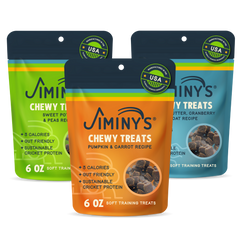
- use only insect-based treats and chews
- avoid introducing additional animal proteins
That includes:
The goal isn’t perfection forever.
The goal is giving your dog enough consistency to finally see what their body looks like without constant inflammatory triggers.

WEEKS 1–2: CALMING THE CHAOS
This phase is often about reducing the daily inflammatory load.
Many pet parents notice:
- less paw licking
- reduced redness
- calmer digestion
- less gas
- improved stool quality
- fewer overnight scratching episodes
Some dogs improve quickly. Others need more time. Don't forget that best practice is to transition your dog's food gradually. If you are unclear on the best approach to transitioning your dog's food - you can read a more complete guide HERE.
Dogs with years of chronic inflammation may not change dramatically in the first two weeks — and that’s normal.
The key is consistency.
WEEK 4: NOTICEABLE CHANGES START TO BUILD
Around the one-month mark, many owners begin seeing more meaningful improvements.
This may include:
- less obsessive scratching
- fewer hot spots
- improved coat quality
- healthier-looking skin
- more stable stool
- less ear irritation
- better overall comfort
This is also when some dogs, with veterinary guidance, may begin reducing reliance on medications like Apoquel.
Important: this should always happen carefully and gradually with your veterinarian.
The point isn’t that food “replaces” medication.
The point is that reducing inflammatory triggers may help some dogs become less dependent on symptom management over time.
WEEK 8: THE TRANSFORMATION BECOMES CLEAR
By eight weeks, many dogs show meaningful overall improvement.
Pet parents commonly report:
- calmer skin
- fewer flareups
- healthier ears
- shinier coats
- better energy
- improved body condition
- healthier digestion
And often the biggest change is consistency.
Not one good week followed by another flareup.
Just a dog who finally seems more comfortable in their own body.
WHY STOPPING EARLY OFTEN BACKFIRES
This part matters.
Many dogs improve after a few weeks… and then owners start introducing:
- old treats
- table scraps
- flavored chews
- other proteins
And suddenly the itching returns.
That doesn’t necessarily mean the food failed.
It often means the inflammatory trigger came back before the system had fully stabilized.
For dogs with chronic allergies or sensitivities, long-term consistency is often the thing that creates long-term results.
THIS IS ABOUT MORE THAN ITCHING
Food sensitivities don’t only affect the skin.
They can affect:
- digestion
- stool quality
- nutrient absorption
- energy
- body weight
- immune balance
- overall quality of life
The itching is often just the symptom owners notice first.

FAQS
IS THIS AN ELIMINATION DIET?
Not exactly. Traditional elimination diets are usually designed to temporarily remove foods and later reintroduce them systematically.
The 8-week allergy transformation is more focused on transitioning your dog to a protein source that works well for them — and maintaining consistency long enough to support lasting improvement.
HOW STRICT DO I NEED TO BE?
Very consistent results usually require a very consistent diet. That means avoiding additional animal proteins during the transformation period.
CAN MY DOG STILL HAVE TREATS?
Yes — ideally insect-based treats and chews only during the program.
HOW QUICKLY WILL I SEE RESULTS?
Many dogs improve within the first 1–2 weeks. More visible skin and coat changes often happen around weeks 4–8.
SHOULD I STOP APOQUEL RIGHT AWAY?
No. Any medication changes should happen gradually and with veterinary guidance.
WHY DOES THE PROGRAM LAST 8 WEEKS?
Skin and immune-related issues usually take longer to improve than digestive symptoms alone. Eight weeks gives the body more time to stabilize.
THE BIG IDEA
Most allergy solutions focus on managing flareups after they happen.
The 8-week allergy transformation focuses on something else:
reducing the triggers that may be driving the inflammation in the first place.
Not by constantly switching foods.
Not by endlessly chasing the next ingredient trend.
But by finding a consistent nutrition approach your dog can actually thrive on long term.