

When you feed your dog, you’re not only nourishing their mind, body, and spirit – but also nourishing the friendly bacteria in their gut microbiome. With the right prebiotic-rich foods coming their way, these bacteria help your dog’s body properly digest food, absorb nutrients, and create energy.
Even with prebiotic support, the friendly bacteria die off all the time, however, leaving room for the bad guys to move in fast. Fortunately, you can prevent that from happening by bolstering their ranks with probiotics. As the probiotic foods bring in beneficial bacteria, the gut microbiome stays balanced, resulting in a healthier, happier pup.
Although it might sound complicated, all it takes is feeding your dog the right foods each day. Ready to get started? Here’s what you need to know.
Probiotics vs Prebiotics
A healthy gut microbiome benefits from getting both probiotics and prebiotics on a regular basis. To make it easy, deliver prebiotics through high-quality dog food and then add probiotic-rich foods as a topper.
Probiotics are foods that effectively deliver live, healthy bacteria to the gut. Ingesting the good bacteria helps keep the microbiome in balance, so the bad bacteria cannot take over.
Prebiotics are the insoluble fiber that ferments and turns into a steady food source for beneficial bacteria. The fermentation process also creates short-chain fatty acids, which help decrease the growth of harmful bacteria in the digestive tract.
Benefits of Giving Your Dog Probiotics
Since probiotics regularly replenish the gut with beneficial bacteria, they offer your dog many excellent health benefits, including:
- Boost in digestion to help prevent an upset stomach
- Offset the bacterial die-off that occurs with antibiotics
- Healthier teeth and gums plus a lower risk of bad breath
- Decrease in skin allergy symptoms, including itching
- A softer, healthier coat that looks fantastic always
- Better overall function of their immune system
When your dog’s feeling healthier, it’ll show in their behavior, too. You might notice that they have more energy and stay in a good mood all throughout the day.
Top Sources of Probiotics for Dogs
While you can definitely give your dog probiotic supplements, natural foods do the job much better. The probiotics in supplements often get trapped in stomach acid, resulting in immense losses before the bacteria can enter the digestive system.
With natural foods, the beneficial bacteria stay in a live, healthy state throughout the journey. In addition, your dog gets to enjoy a nutrient bump from all the vitamins and minerals in each food item.
The most popular natural probiotic foods for dogs include:
- Yogurt
- Kefir
- Goat’s milk
- Apples
- Asparagus
- Bananas
- Sweet Potato
- Sauerkraut
- Carrots
- Broccoli
If your dog doesn’t prefer to eat any of the probiotic foods you try, just sprinkle ocean kelp over their kibble. Flaxseeds, chia seeds, and chicory root can work as well.
How Often to Give Your Dog Probiotic Foods
Plan to give your dog probiotic foods daily to keep the beneficial bacteria at healthy levels. Depending on your dog’s preferences, feed the probiotics to them as a snack or put it right over their dog food.
Start with a small bite at first to see how well your dog tolerates the new foods. Then, increase the amount you give up to the proper serving for their size.
Small dogs should only get one teaspoon of yogurt per day, for example, while large breeds can have a tablespoon instead. Remember to only use plain, unsweetened yogurt without any xylitol or other artificial sweeteners.
You can be a little bit more generous with the veggies. Ideally, you’ll want to give small dogs a tablespoon or two of sauerkraut, broccoli, or bananas. Large dogs can have up to a ¼ cup just as long as they’re still eating their regular food and not gaining weight.
Unless your dog is super picky, feed probiotic-rich veggies more often than fruit to avoid giving your dog too much sugar. Fruit can serve as a delicious treat though, so maybe keep it to once a week.
Add Prebiotics to Fully Support Your Dog’s Gut Health
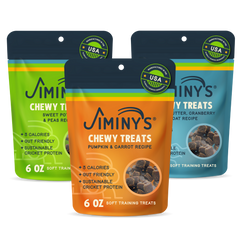
Probiotics work best when your dog gets enough prebiotics to feed all the healthy bacteria. So, to fully support your dog’s gut health, you just need to select a high-quality dog food filled with prebiotics, like Jiminy’s Cravin’ Cricket and Good Grub.
Insect protein offers all the prebiotics your dog needs thanks to its chitin fibers. As an insoluble fiber, this substance serves as a microbial food source for all the beneficial bacteria delivered by the probiotics.
You can then rest assured that your dog’s gut microbiome has the support needed to stay functional and healthy through the years. And your dog gets to enjoy the tastiest food around while getting a little bit of an extra treat every day.

To create the perfect formula every time, we follow that up with whole food ingredients that offer natural probiotics in every bite. Together, the naturally prebiotic insect protein and probiotic-rich foods help build a strong gut microbiome. Our innovative protein doesn’t trigger allergies like traditional pet food ingredients either, resulting in better gut health for food-sensitive dogs.
Beyond that, our products are eco-friendly, humane, and safe for dogs of all sizes. So, you can definitely feel good about feeding your dog Jiminy’s – and your dog will enjoy our tasty Cravin’ Cricket and Good Grub flavors.
FAQ - Natural Probiotics for Dogs
1. What are probiotics for dogs, and why are they important?
Probiotics are beneficial live microorganisms that support a dog’s gut microbiome by increasing good bacteria. These bacteria help improve digestion, support immune function, and maintain a healthy balance of microbes in the digestive tract.
2. How do probiotics help a dog’s digestion?
Probiotics can help break down food more efficiently, support nutrient absorption, and may reduce digestive upset like gas, diarrhea, and irregular stool. They work by keeping the balance of gut bacteria healthy so the digestive system functions smoothly.
3. What are some natural food sources of probiotics for dogs?
Many dog-safe foods contain natural probiotics or probiotic-producing cultures, including:
-
Yogurt (plain, unsweetened)
-
Kefir
-
Goat’s milk
-
Sauerkraut (plain, no harmful seasonings)
-
Fermented vegetables (e.g., carrots, broccoli)
-
Apples and bananas (fermented or natural cultures)
These foods can introduce beneficial bacteria into the gut when fed in appropriate amounts.
4. Can I feed probiotic foods to my dog every day?
Yes — small amounts of natural probiotic foods offered daily or regularly can help maintain beneficial gut bacteria levels. Start with a small serving and increase gradually, watching your dog’s tolerance.
5. What’s the difference between probiotics and prebiotics?
Probiotics are live beneficial bacteria, while prebiotics are food ingredients (usually fibers) that feed those bacteria so they thrive in the gut. Together, they help maintain a balanced and healthy digestive environment.
6. Are probiotic supplements better than natural foods?
Supplements often contain higher levels of specific probiotic strains and may be more consistent and concentrated than food sources. However, natural foods also bring additional nutrients and enjoyment for your dog. Always consult your veterinarian before starting supplements.
7. Can probiotics help after my dog takes antibiotics?
Yes — antibiotics can kill both harmful and beneficial bacteria in the gut. Including natural probiotics (or vet-approved supplements) can help replenish beneficial bacteria and support digestive recovery after antibiotic treatment.
8. Are there any risks in feeding natural probiotics to dogs?
Some natural probiotic foods — especially those with dairy — may not suit all dogs and can cause upset if introduced too quickly. Always introduce new foods gradually and in moderation, and consult your vet if your dog has existing health conditions.
9. How much probiotic food should I give my dog?
There’s no one-size-fits-all amount — start with small servings (e.g., a teaspoon to a tablespoon depending on size) and adjust based on your dog’s size and reaction. Too much at once can cause gas or soft stools, so gradually increase.
10. Do probiotics help with issues like allergies or bad breath?
Yes — by supporting a balanced gut microbiome, probiotics may contribute to better digestion, reduced inflammation, and improved breath. A healthier gut can also impact skin and immune health, which can help with allergy-related flare-ups.