Digestive sensitivity rarely appears overnight. It usually shows up as a pattern. Loose stools that return every few weeks. Gas that lingers. Occasional vomiting that becomes more frequent. You may also notice itching, ear irritation, or paw licking alongside stomach upset.
When symptoms repeat, the digestive system may be reacting to something in the bowl. The immune system can interpret certain ingredients, especially heavily used proteins, as threats. That response often affects both the gut and the skin.
Recognizing Recurring Digestive Discomfort
A single upset stomach is not unusual. Persistent symptoms are different. Signs that your dog may benefit from a dog food for sensitive stomach support include:
- Frequent loose stools or diarrhea
- Excessive gas after meals
- Vomiting that occurs regularly
- Appetite changes
- Discomfort or restlessness after eating
Consistency matters more than severity. Mild symptoms that happen repeatedly often signal dietary intolerance rather than a temporary issue.
When Skin Symptoms Accompany Stomach Issues
Digestive stress and skin irritation often go together. The gut and skin share immune pathways, so inflammation in one area can appear in another. Chronic itching, dull coat, or recurring ear problems can be linked to ongoing dietary triggers.
Addressing the root cause requires more than masking symptoms. The best food for dogs with sensitive stomachs focuses on protein quality, digestibility, and microbiome support to calm internal inflammation and restore balance over time.
Protein Choices That Shape The Best Food For Dogs With Sensitive Stomachs
Protein is often the first place to look when digestive issues persist. Many traditional formulas rely on chicken or beef, which are also among the most common triggers for food sensitivities. Repeated exposure over time can lead the immune system to react, creating inflammation that affects both the gut and skin.
Shifting the protein source can interrupt that cycle.
Moving Beyond Common Trigger Proteins
Dogs with chronic digestive upset often improve when switched to a novel protein. Insect protein offers that advantage because most dogs have never consumed it before.
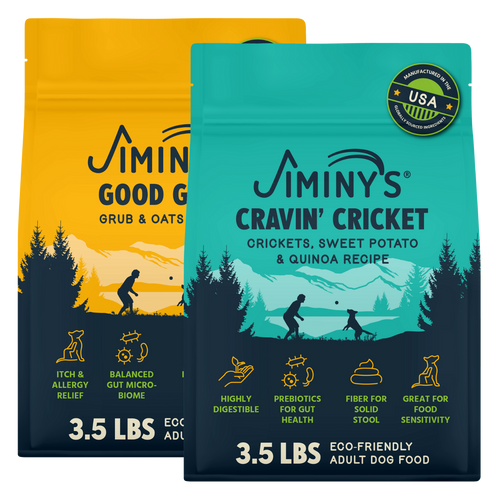
Our cricket based recipe, available as the best dog food for sensitive stomach, provides complete amino acids in a highly digestible form while naturally avoiding chicken, beef, wheat, and soy. For dogs experiencing repeated stomach discomfort, this clean protein source can reduce immune stimulation and support steadier digestion.
Pet parents searching specifically for a dependable dog food for sensitive stomach support often prioritize both digestibility and ingredient transparency. Cricket protein delivers both, backed by research showing strong nutrient absorption and excellent tolerance in dogs.
How Novel Protein Supports Immune Balance
When the immune system stops reacting to a dietary trigger, inflammatory signals in the gut decrease. That shift allows the intestinal lining to recover and nutrient absorption to improve.
Cricket and grub protein also contain chitin, a natural prebiotic fiber that feeds beneficial bacteria. A balanced microbiome contributes to:
- More consistent stools
- Reduced gas
- Improved digestive efficiency
- Better skin resilience
At Jiminy’s, every formula is vet formulated and complete and balanced for all life stages, even though regulations require adult labeling on packaging. Our focus remains the same: functional nutrition that supports sensitive systems while dramatically reducing environmental impact.
Finding The Best Dog Food For Sensitive Stomach And Diarrhea
Diarrhea is one of the clearest signs that a dog’s digestive system is overwhelmed. When protein is poorly tolerated or ingredients are difficult to break down, the colon absorbs less water and stool consistency suffers. The solution is not simply lowering fat or switching brands. It starts with digestibility and microbiome balance.
Pet parents looking for the best dog food for sensitive stomach and diarrhea often prioritize protein that absorbs efficiently and ingredients that support stool formation. Our cricket based recipe is oven baked for digestibility and built around highly bioavailable insect protein, helping reduce the burden on the digestive tract.
Why Digestibility Matters
When protein is easily absorbed in the small intestine, less undigested material reaches the colon. That reduces fermentation by harmful bacteria and limits excess water retention in stool.
Cricket protein offers a complete amino acid profile in a form dogs can efficiently utilize. Combined with carefully balanced fiber and fat levels, this supports steady energy without overwhelming sensitive systems.
Building Firmer Stools Through Gut Support
Long term stability depends on feeding beneficial bacteria. Insect protein naturally contains prebiotic fiber that nourishes healthy microbes and helps crowd out harmful strains.
As the microbiome stabilizes, many dogs experience:
- Firmer, more consistent stools
- Less urgency and fewer accidents
- Reduced gas
- Improved overall digestive comfort
Because our formulas are vet formulated and complete and balanced for all life stages, they support recovery without compromising overall nutrition. Addressing diarrhea at the root means supporting both protein tolerance and gut ecology together.
The Connection Between Sensitive Skin And Stomach Dog Food
Digestive inflammation rarely stays contained in the gut. The immune system links the digestive tract and the skin, which is why dogs with ongoing stomach upset often develop itching, hot spots, or recurring ear irritation. Addressing one without the other rarely leads to lasting improvement.
For dogs experiencing both digestive and skin flare ups, choosing a sensitive skin and stomach dog food built around novel protein can help calm internal inflammation and reduce immune overreaction. Our grub based recipe offers complete amino acids while naturally avoiding common allergens like chicken, beef, wheat, and soy.
Understanding The Gut Skin Relationship
When the gut lining becomes irritated, inflammatory compounds circulate through the bloodstream. These signals can affect skin cells, leading to redness, itching, or chronic irritation. Poor nutrient absorption may also limit access to omega fatty acids and key vitamins that support skin barrier health.
By removing common trigger proteins and supporting the microbiome with prebiotic rich insect protein, the body has an opportunity to reset. Improved digestion often precedes visible improvements in coat shine, ear comfort, and overall skin condition.
Calming Internal Inflammation
Switching to a novel insect protein can reduce immune stimulation at its source. Grub protein provides balanced amino acids along with natural prebiotic fiber, helping nourish beneficial gut bacteria while limiting harmful strains.
At Jiminy’s, our recipes are vet formulated and complete and balanced for all life stages, supporting both digestive comfort and skin resilience in a single, sustainable formula. For dogs struggling with both itching and stomach upset, aligning protein quality with gut support can shift daily comfort in a noticeable way.
Choosing A Best Sensitive Stomach Dog Food For Long Term Stability
Sensitive digestion is not only about resolving flare ups. It is about maintaining stability over time. The best sensitive stomach dog food supports consistent protein tolerance, microbiome balance, and ingredient transparency so the gut is not repeatedly challenged.
For long term digestive support, our cricket based formula offers a dependable foundation. Many pet parents looking for the best sensitive stomach dog food prioritize novel protein that avoids common triggers while delivering complete and balanced nutrition. Cricket protein provides highly digestible amino acids along with natural prebiotic fiber that feeds beneficial bacteria and supports steady stool quality.
Overexposure to a single traditional protein for years can contribute to new sensitivities. For dogs who are stable and ready for thoughtful variation, our Rotation Diet option allows families to alternate between compatible cricket and grub recipes while maintaining ingredient integrity. The Rotation Diet Combo Pack Small is designed to support this approach without introducing common allergens or unnecessary fillers.
Every transition should be gradual, especially for dogs with a history of digestive upset. Once stability is established, consistent feeding paired with carefully selected rotation can help reinforce resilience rather than disrupt it.
A Sustainable Path Forward For Dogs With Digestive Sensitivities
Caring for a sensitive stomach should not mean compromising your environmental values. Insect protein supports digestive health while using significantly less water, land, and greenhouse gas output than traditional livestock.
Switching one dog from a chicken based diet to our cricket recipe can save more than 99,200 gallons of water per year. To date, our community has helped avert over 14,200 tons of greenhouse gas emissions and save more than 909 million gallons of water. Sustainable feeding delivers measurable impact for both dogs and the planet.
Every Jiminy’s formula is vet formulated and complete and balanced for all life stages, even though packaging regulations require adult labeling. Visible improvements such as firmer stools, reduced gas, steadier energy, and calmer skin often reflect a healthier gut and improved protein tolerance. With more than 20,000 meals donated to shelter dogs, our mission extends beyond nutrition.
Digestive consistency also depends on aligned treats. Our Peanut Butter And Cranberry Soft Chewy Training Treats are made with sustainable insect protein, helping maintain dietary integrity during training. Feeding a sensitive dog is about ingredient consistency, long term thinking, and choosing nutrition that supports both wellness and responsibility.