

If you’ve ever locked eyes with your dog while eating dinner, you know the look. It’s hopeful. Curious. Possibly a little dramatic.
And it raises a real question:
Can I share this?
As dog parents, we want to include our pups in everyday life — and that often means food. But not all human food is safe for dogs. Some foods are perfectly healthy additions. Some are fine in small amounts. And some are absolutely off-limits.
In this guide, we’ll walk through:
-
Foods that are generally safe
-
Foods that are safe in moderation
-
Foods dogs should never eat
-
What to do if your dog eats something dangerous
-
Special considerations for dogs with allergies or gut issues
-
How to share food safely and sustainably
First: can dogs eat human food at all?
Yes — many whole, minimally processed human foods are safe for dogs.
But there’s a big difference between:
-
Fresh, simple ingredients (like carrots or blueberries)
-
Highly processed, salty, fatty, or seasoned foods
Dogs are omnivores. Their digestive systems can handle a range of plant and animal foods. In fact, whole foods like fruits and vegetables often provide fiber, antioxidants, and phytonutrients that support long-term health.
That said, treats — even healthy ones — should make up no more than about 10% of your dog’s daily calories.
If your dog has allergies or a sensitive stomach, you’ll want to be more selective (we’ll cover that below).
Foods that are generally safe for dogs
These foods are typically safe when served plain — no added salt, butter, garlic, onion, sugar, or artificial sweeteners.
🥕 Carrots

Carrots are a favorite for a reason:
-
Low calorie
-
High in beta-carotene
-
Crunchy (great for dental stimulation)
-
High in fiber
They’re especially helpful for dogs who always seem hungry. The crunch can satisfy the urge to chew without adding many calories.
For more on why dogs need foods like carrots in their diet see Why Your Dog Needs Fruits And Vegetables.
🫐 Blueberries

Blueberries are rich in antioxidants, which help combat oxidative stress — especially important for aging dogs.
They’re:
-
Low calorie
-
High in vitamin C and fiber
-
Easy to use as training treats
Frozen blueberries also make a great summer snack.
We love blueberries so much that we've included them in some of our treat recipes - try our Peanut Butter & Blueberry treats for a crunchy snack for your pup!
🎃 Pumpkin (plain, canned or cooked)

Pumpkin is one of the most recommended whole foods for dogs with digestive issues.
It supports:
-
Stool regulation (both diarrhea and constipation)
-
Gut microbiome balance
-
Healthy fiber intake
Be sure it’s plain pumpkin, not pumpkin pie filling.
For more on pumpkin, gut health and fiber, see Pumpkin Power: A Superfood for Dogs.
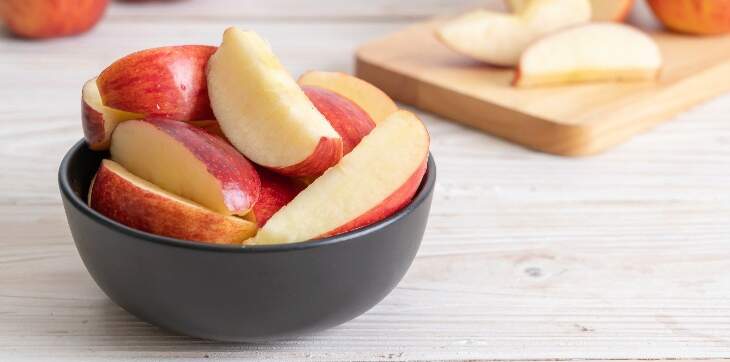
🍎 Apples (no seeds)
Apples provide:
-
Vitamin C
-
Fiber
-
Hydration
Remove the core and seeds. Apple seeds contain trace amounts of cyanogenic compounds, which can be harmful in large quantities.
🍐 Pears (no seeds or core)
Pears are safe in small amounts and provide fiber and hydration. As with apples, remove seeds and core.
We go deeper here: Can Dogs Eat Pears.
🥒 Cucumbers
Low calorie and hydrating, cucumbers are especially helpful for dogs on weight management plans.
🥬 Green beans
Plain green beans (fresh, steamed, or frozen) are:
-
High in fiber
-
Low in calories
-
Great for dogs who need help feeling full
Some vets even recommend replacing a small portion of kibble with green beans for weight management.
🍗 Plain cooked chicken or turkey (unseasoned)
Lean, plain poultry can be safe for dogs without poultry allergies.
Important:
-
No skin
-
No seasoning
-
No bones
However, many dogs with chronic itching or gut issues react to chicken. If your dog has recurring allergies, consider alternative proteins.
See: Insect Protein vs. Chicken.
🐟 Plain cooked salmon (boneless)
Salmon provides omega-3 fatty acids, which support:
-
Skin health
-
Joint health
-
Cognitive function
Never serve raw salmon. And avoid seasoning.
Foods that are safe in moderation
These foods aren’t inherently dangerous, but they can cause problems if overfed.
🥚 Eggs (cooked)
Eggs are nutrient-dense and contain:
-
Complete amino acids
-
Choline
-
Biotin
But they’re calorie-dense too. Best served cooked and plain.
🧀 Cheese
Most dogs love cheese. Some tolerate it well. Others don’t.
Issues with cheese:
-
High fat
-
High sodium
-
Lactose (which many dogs struggle to digest)
For dogs with sensitive stomachs, dairy can trigger diarrhea.
🍌 Bananas
Bananas are safe, but high in sugar. Small slices only.
🍓 Strawberries
Strawberries are safe and contain antioxidants — but they also contain natural sugars. Use sparingly.
🥔 Plain potatoes or sweet potatoes (cooked)
Cooked and plain only. No butter. No salt. No garlic.
Sweet potatoes are higher in fiber and often better tolerated than white potatoes.
🍞 Plain bread
Not harmful, but not particularly nutritious for dogs. Should not be a regular treat.
Garlic
The key to safe use of garlic for dogs is the amount given and frequency of use. Holistic veterinarians have been recommending garlic for many years for its multiple health benefits.
This one is a complicated subject and we go deeper here: The Truth About Garlic for Dogs.
Pickles
Like garlic, this one is a bit more complicated. Pickles aren’t toxic, but they’re not recommended for dogs.
For a more nuanced discussion see Can Dogs Eat Pickles?
Foods dogs should never eat
Some foods are toxic, even in small amounts.
🍫 Chocolate

Chocolate contains theobromine and caffeine — both toxic to dogs.
Dark chocolate is especially dangerous.
Symptoms:
-
Vomiting
-
Rapid heart rate
-
Tremors
-
Seizures
Call your vet immediately if consumed.
🍇 Grapes and raisins

Even small amounts can cause kidney failure in dogs.
There is no safe quantity.
🧅 Onions, Chives

These can damage red blood cells and lead to anemia.
Cooked, raw, powdered — all forms are dangerous.
🍬 Xylitol (artificial sweetener)
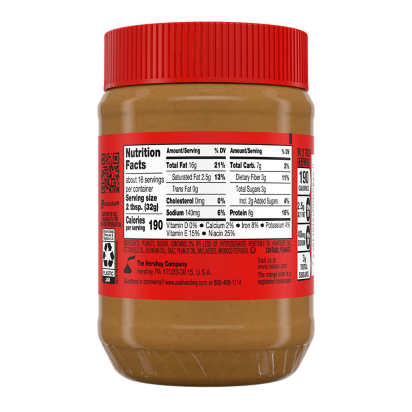
Found in:
-
Sugar-free gum
-
Some peanut butters
-
Sugar-free baked goods
Xylitol can cause:
-
Rapid insulin release
-
Hypoglycemia
-
Liver failure
This is an emergency.
🍺 Alcohol
Even small amounts are dangerous.
☕ Caffeine
Coffee grounds, energy drinks, tea bags — all unsafe.
🥜 Macadamia nuts
Can cause weakness, tremors, vomiting.
🦴 Cooked bones
Cooked bones splinter and can cause internal injury.
What to do if your dog eats something toxic
-
Stay calm.
-
Identify what and how much was consumed.
-
Call your veterinarian immediately.
-
You can also contact the ASPCA Animal Poison Control Center.
Do not induce vomiting unless directed by a veterinarian.
Time matters.
Special considerations for dogs with allergies or gut issues
Many dogs struggle not with toxicity — but with intolerance.
Common trigger foods:
-
Chicken
-
Beef
-
Dairy
-
Wheat
-
Soy
Symptoms may include:
-
Chronic itching
-
Ear infections
-
Loose stools
-
Gas
-
Anal gland issues
If your dog struggles with these symptoms, even “safe” human foods may not be safe for them.
In those cases:
-
Stick to limited ingredients
-
Avoid common proteins
-
Focus on novel, digestible proteins
See:

Is sharing human food sustainable?
This is a question more dog parents are asking.
Animal agriculture has a significant environmental footprint. Feeding dogs large amounts of beef, lamb, or heavily processed meats increases that footprint.
Choosing:
-
Plant-forward snacks
-
Lower-impact proteins
-
Sustainable complete diets
Can reduce your dog’s pawprint without sacrificing health.
For more on sustainability and protein sources, see Insect Protein Sustainability.
Frequently asked questions about human food for dogs
Can dogs eat rice?
Yes, plain white or brown rice is generally safe and often used for upset stomachs. Avoid seasoning.
Can dogs eat peanut butter?
Yes — but check the label carefully for xylitol. Choose unsweetened varieties.
Can dogs eat eggs every day?
It’s better to use eggs occasionally due to calorie density.
Can dogs eat yogurt?
Plain, unsweetened yogurt may be tolerated in small amounts — but many dogs are lactose intolerant.
Can dogs eat raw meat?
Raw diets carry bacterial risks and are not recommended without veterinary guidance.
Can dogs eat salad?
Plain greens are generally safe, but skip onions, dressings, and croutons.
How much human food is too much?
Keep treats — including human food — under 10% of total daily calories.
The bottom line
Many human foods are safe for dogs.
Some are even beneficial.
But safety depends on:
-
The specific food
-
Preparation method
-
Portion size
-
Your dog’s health history
When in doubt, keep it simple. Whole foods. No seasoning. Small portions.
And if your dog has chronic allergies, digestive issues, or recurring skin problems, remember: it’s often not about one carrot or blueberry. It’s about the overall diet.
Food isn’t just fuel. For dogs, it shapes gut health, immunity, skin barrier function, dental health, and even long-term disease risk.
When we choose thoughtfully — for health and sustainability — we’re doing more than sharing a bite.
We’re building a better future, one bowl at a time.
tags: Allergies, pumpkin, Subcategory - Feeding Your Dog,