If you’ve ever shared a couch with a pug, you know they’re more than pets. They’re compact bundles of love, mischief, and the occasional snore symphony. But behind those smooshy faces and wiggly butts lies a breed with very real dietary needs. Pugs may be small, but when it comes to food, the stakes are big.
This breed is prone to allergies, weight gain, and sensitive digestion. Because of their compact airways, pugs can’t afford to carry extra pounds. Their health depends on it. Feeding your pug anything less than the best simply isn’t an option.
Let’s be real. The kibble aisle is a circus of false promises. Bright bags, cheap fillers, mystery meat. If you wouldn’t eat it, why should your pug?
Pugs need food packed with quality protein, not byproducts. Food that's gentle on the gut and strong on nutrition. Food that supports skin, coat, digestion, and energy, without bloating or itchy flare-ups. And wouldn't it be great if it could help the planet, too?
That’s exactly what you’ll find in the best dog food for pugs. It delivers clean, complete nutrition made for sensitive systems and picky eaters alike. Bonus: it’s planet-friendly.
What Is the Best Dog Food for Pugs? Let’s Talk Nutrition
Pugs love food. That’s not just a personality trait; it’s practically in their DNA. But their tiny bodies and smooshy faces mean they need nutrient-dense meals without the filler fluff. The best dog food for pugs is designed for sensitive digestion, allergy-prone skin, short bursts of energy, and long nap sessions.
Let’s break it down.
The ideal formula for pugs includes:
- High-quality, digestible protein to build lean muscle
- Healthy fats that support joint mobility and keep skin flake-free
- Fiber that’s gentle on the belly (no more grass-eating at midnight)
- Zero corn, wheat, or mystery byproducts
Pugs are more likely to deal with food sensitivities, so clean, intentional ingredients aren’t optional. They’re non-negotiable.
That’s why we created the best dog food for pugs with allergies. It supports immune health, helps calm inflammation, and brings back those joyful zoomies. The formula includes hypoallergenic proteins, prebiotics for digestion, and sustainable ingredients that help your pug feel good from the inside out.
Because nothing says "I love you" like food that doesn’t lead to itching, gas, or late-night emergency vet visits.
Best Dog Food for Bernese Pugs with Allergies
Bernese pugs? Yes, they exist. And yes, they’re adorable. But combining the sturdy frame of a Bernese with the compact build of a pug creates one unique pup with an equally sensitive digestive system. These dogs are especially prone to food allergies, skin flare-ups, and stomach issues.
It can feel like a guessing game. Is it chicken? Grains? Something buried in that overly processed kibble?
Allergies don’t always show up as scratching or paw licking. Sometimes it’s inconsistent stools, a dull coat, recurring ear infections, or nonstop shedding. And when your Bernese pug mix is uncomfortable, the whole house feels it.
The best dog food for Bernese pugs with allergies is made with limited ingredients that are gentle, clean, and nutrient-rich. You want real protein, not byproducts. Whole foods, not fillers. Gut-friendly nutrients that calm inflammation and support long-term health.
This isn't about chasing trends. It’s about choosing food that helps your dog feel good, stay active, and live their happiest, healthiest life.
The Best Dry Dog Food for Pugs with Sensitive Stomachs
If your pug has ever looked at you with those big eyes after a meal, then promptly let out a fart strong enough to make you leave the room, you’re not alone. Sensitive stomachs are practically part of the pug package. And many dry dog foods are full of grains, fillers, and artificial stuff that only make things worse.
The best dry dog food for pugs is simple, clean, and easy to digest. It should calm the belly, not confuse it. No corn. No soy. No mystery ingredients. Just real food your pug’s gut can actually process.
The best dry dog food for pugs is part of a rotational diet that brings in variety while still being gentle on their system. It helps support gut health, coat shine, and steady energy. It’s crunchy, tasty, and keeps picky eaters engaged without throwing off their digestion.
No mealtime meltdowns. No ingredient overload. Just real nutrition that works.
The Best Dog Food for Pugs with Skin Allergies
When your pug won’t stop scratching, or their coat suddenly looks dull, food is often the hidden culprit. Skin allergies in pugs can be triggered by common ingredients like beef, chicken, dairy, or certain grains. And unfortunately, many traditional dog foods are packed with those exact irritants.
The best dog food for pugs with skin allergies doesn’t just avoid the problem ingredients. It actively supports the skin barrier, reduces inflammation, and helps that glorious pug coat come back soft, shiny, and flake-free.
The best dog food for pugs with skin allergies is crafted with clean, alternative proteins and easy-to-digest ingredients. It’s designed to soothe, not spark, skin issues. Packed with nutrients that help repair the skin and calm itchiness, it's a daily way to show your pug some real love.
You shouldn't have to choose between tasty food and allergy support. And your pug shouldn't have to suffer just to eat.
The Best Dog Food for Pug Puppies Who Deserve the Best Start
Pug puppies are tiny wrecking balls of energy, snuggles, and chaos. They’re also incredibly vulnerable to nutritional gaps early on. That round belly is growing fast. Their immune system is still developing. What you feed them during these early months sets the tone for how they grow, play, and age.
The best dog food for pug puppies does more than fill their bowl. It supports muscle growth, cognitive development, digestive health, and strong bones. But many puppy formulas are overloaded with fats, low-quality fillers, or hard-to-digest proteins. That leads to bloating, irregular stools, and a whole lot of stress for both of you.
The best dog food for a pug puppy offers balanced, nutrient-rich support for all life stages. It’s crafted with clean protein, prebiotics, and essential nutrients that are easy to absorb and gentle on growing bellies. No artificial junk, no sketchy ingredients, and no puppy meltdowns after mealtime.
Puppies don’t need a separate formula full of fluff. They need real food that fuels real growth.
Why Jiminy’s Is the Best Dog Food for Pugs (And the Planet)
Being a dog parent today comes with a lot of love and a little bit of climate anxiety. You want the best for your pug, but you also care about the world they dig, sniff, and explore every day. That’s exactly why Jiminy’s exists.
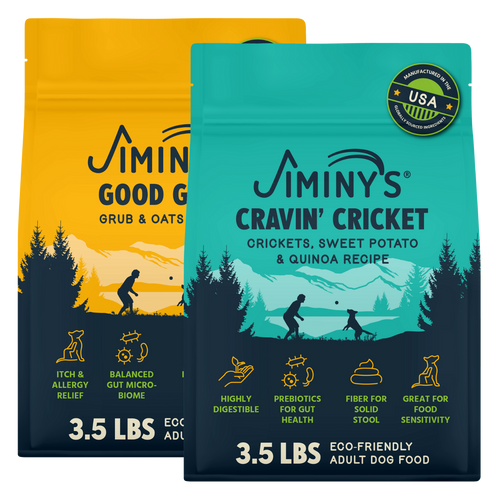
This isn’t just food that’s gentle on your dog’s belly. It’s food that challenges the way pet food is made. Instead of factory-farmed meat, Jiminy’s uses clean, sustainable proteins like crickets and grub. It might sound unusual, but it’s backed by science, loaded with nutrition, and loved by dogs who know good flavor when they taste it.
Every bite helps reduce greenhouse gases, save water, and protect precious resources. And because these proteins are naturally hypoallergenic and easy to digest, your pug feels the benefits in real ways. Fewer flare-ups. Better digestion. Softer coats. More happy Zooms.
You don’t have to pick between your dog’s health and the health of the planet. Jiminy’s gives you both.
How to Switch to the Best Dog Food for Pugs Without a Fuss
Switching your pug’s food can feel like a gamble. One wrong move and you’re dealing with a pouty eater, an upset stomach, or worse, a full-on hunger strike. But transitioning to better food doesn’t have to be stressful.
Start slow. For the first few days, mix about 25 percent of the new food with 75 percent of your pug’s current food. Watch how they react. If everything looks good, increase the new food to 50 percent around day four. After a week, go to 75 percent new food. By day ten, your pug should be ready for a full bowl.
Pay attention to their digestion, mood, and energy levels. A little gas or stool change at first is normal, but it shouldn’t last long. What you want to see is excitement at mealtime, consistent digestion, and that signature pug sparkle making a return.
Feeding your pug should feel like an act of care. When the food in their bowl tastes good and feels good, every meal becomes a moment of connection. It’s not just about what they eat. It’s about how they live.