

What is a Rotation Diet?
A rotation diet is a feeding schedule that switches up the protein in your dog’s daily diet. You can also vary the type of food by alternating between raw, wet, and dry formulas. In addition to changing the protein, this approach ensures your dog gets a well-rounded array of fruit, vegetables, and grains.
Rotational Feeding Schedule Example
You can switch your dog’s food monthly or even more often if you prefer. Oftentimes, pet parents choose to change things up when each container of food runs out.
Across a three-month period, a bi-monthly rotational feeding schedule might look like this:
- Week 1 to 2: A lamb raw food formula
- Week 3 to 4: Smoked salmon kibble
- Week 5 to 6: Insect-based wet food
- Week 7 to 8: A raw venison formula
- Week 9 to 10: Beef wet food
- Week 11 to 12: Insect-based kibble
Don’t forget to look for foods with a variety of whole grains, veggies, and fruits added to the mix. The more you change things up, the better your dog will feel.

How Varying Protein Can Help with Food Allergies
A rotational diet works best when used to prevent food allergies in dogs. By rotating protein sources, dogs don’t have as much exposure to a single allergen. This helps prevent their body from becoming intolerant and creating an immune response.
If exposure to the offending allergen continues, the immune system ramps up its production of immunoglobulin E, also known as IgE. These antibodies grow wise to the presence of the allergen in the body, triggering an allergic reaction that typically worsens over time. A rotation diet prevents that from happening by limiting exposure to potential allergens.
In dogs with existing food allergies, a rotation diet can help protect them from becoming intolerant to additional proteins. It’s important to identify the allergen causing them problems first, though. Then, completely remove it from the diet before starting a rotational feeding schedule.
Additional Benefits of a Rotation Diet for Dogs
Preventing allergens is not the only thing a rotation diet does for dogs. Here’s a look at the other benefits that will come their way.
Banish Boredom
Eating the same thing day in and day out is just plain dull. With a rotational feeding schedule, mealtime becomes much more exciting for your dog. They’ll truly never know what’s going to land in front of them, bringing out the tippy taps in full force.
Improve Gut Health
A rotation diet helps promote gut health by providing all the key vitamins and minerals each month. Each type of food brings a different mix of nutrients, ensuring your dog gets the entire alphabet of vitamins and such every month. This supports gut health by promoting better digestion, healing damage to the intestines, and reducing inflammation.
Boost Amino Acids
By varying ingredients, you effectively max out the amino acids your dog gets, like glutamine, which can also help heal the damage caused by food allergies. Want even more healing power? Include an insect-based food for tons of key nutrients, amino acids, and probiotics, too.
Keep in mind that dogs with major food allergies may need to permanently switch to a truly hypoallergenic formula, like insect-based food. Plan to work with a vet first to determine the underlying cause of their allergies.
Then, complete an elimination diet by switching to hypoallergenic food for 90 days before adding things back in gradually. If reactions occur, then your dog might benefit from staying on insect-based formula and just switching between crickets and grubs instead.
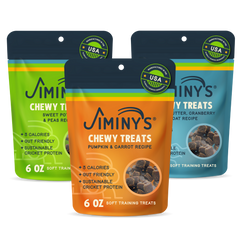
Jiminy’s Insect based dog food is a natural dog food packed with probiotics and prebiotics for dogs. Treat your pup to a sustainable and eco-friendly dog food and dog treat option. Learn how insect protein is a healthy diet for pets.
At Jiminy’s, we believe in giving your dogs the very best and that starts with our insect-based dog food. By using crickets and grubs as our primary protein source, we produce quality kibble, wet food, and treats designed to provide complete nutrition for dogs. In fact, insect protein meets or exceeds all AAFCO requirements, making it a superfood you and your dog will love.
To create the perfect formula every time, we follow that up with whole food ingredients that offer natural probiotics in every bite. Together, the naturally prebiotic insect protein and probiotic-rich foods help build a strong gut microbiome. Our innovative protein doesn’t trigger allergies like traditional pet food ingredients either, resulting in better gut health for food-sensitive dogs.
Beyond that, our products are eco-friendly, humane, and safe for dogs of all sizes. So, you can definitely feel good about feeding your dog Jiminy’s – and your dog will enjoy our tasty Cravin’ Cricket and Good Grub flavors.