

Dogs are more than just pets; they’re family. When a beloved dog faces a challenging health condition like Protein-Losing Enteropathy (PLE), the journey to recovery can feel overwhelming. However, with the right information, support, and diet, it’s possible to manage PLE effectively and improve your dog’s quality of life.
This blog post is inspired by a heartwarming success story shared by one of our customers. Here’s what they wrote:
"Hello, my dog has PLE (Protein-Losing Enteropathy), and your product has helped to increase her Albumin and Protein levels. Anyway, I am on a support group where I encourage others to try your products. … These people are being held hostage by veterinarians and the people that push the prescription dog foods that contain the very ingredients that are causing their dogs to be sick. Not to mention the medications and tests and procedures. This disease is manageable through the right diet. Also, just an idea, sample boxes of the food and treats might encourage more people to use your products! …. I guess ultimately, I really need you to stay in business because my dog’s life depends on your products. Thank you."
We’re incredibly grateful for this feedback, and it reinforces why we’re so passionate about creating products that make a difference. Let’s dive deeper into what PLE is, how it impacts dogs, and why diet plays such a crucial role in managing the condition.
What Is Protein-Losing Enteropathy (PLE)?
Protein-Losing Enteropathy (PLE) is not a single disease but rather a group of conditions that cause the loss of proteins from the bloodstream into the gastrointestinal (GI) tract. Normally, plasma proteins that enter the GI tract are broken down and reabsorbed by the body. However, when PLE occurs, protein loss exceeds the body’s ability to replace it, leading to a condition called hypoproteinemia. Severe hypoproteinemia can result in fluid leakage from blood vessels, causing swelling in the limbs or accumulation of fluid in the chest or abdomen.
Breeds Predisposed to PLE
While PLE can affect any dog, certain breeds are more predisposed to developing the condition. These include:
· Soft-coated Wheaten Terrier
· Yorkshire Terrier
· Maltese
· Chinese Shar Pei
· Rottweiler
· Basenji
· Irish Setter
· Norwegian Lundehund
This suggests that there may be a genetic component to the disease.
Symptoms of PLE
PLE can manifest in various ways, and not all dogs will show the same symptoms. Common signs include:
· Chronic or intermittent diarrhea (sometimes watery)
· Difficulty maintaining weight
· Lethargy
· Swelling in the abdomen or under the skin
· Difficulty breathing due to fluid in the chest cavity
· Thickened loops of intestine visible on diagnostic imaging
Causes of PLE
Several underlying conditions can lead to PLE, including:
Diseases of the Lymphatic System:
· Lymphangiectasia: Dilation of lymphatic vessels in the GI tract.
· GI lymphoma: Cancer of lymphoid tissues in the GI tract.
· Congestive heart failure: Increased lymphatic pressure leading to fluid leakage.
Gastrointestinal Diseases:
· Inflammatory bowel disease (IBD)
· Adverse food reactions
· Intestinal cancer
· Bacterial, fungal, parasitic, or viral infections
Diagnosis often involves a biopsy of the stomach or intestines to identify the underlying cause.
Treatment and Management of PLE
Treatment for PLE depends on its cause but often includes:
· Hospitalization for severe cases: Plasma transfusions or intravenous fluids may be needed to stabilize the dog.
· Medications: To address infections, inflammation, or cancer.
· Modified diet: A highly digestible, low-fat diet rich in high-quality proteins is crucial. Specialized diets can help reduce inflammation and provide the nutrients needed to manage protein loss.
Long-term prognosis varies, but with the right care, many dogs can live happy, comfortable lives.
How Our Products Can Help
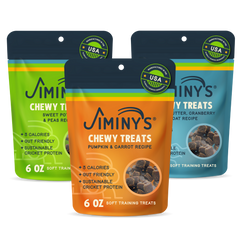
Our insect-based dog food is designed to support dogs with sensitive stomachs and food intolerances—common issues in PLE. Here’s why it works:
· Easily Digestible Proteins: Our products contain high-quality insect protein, which is not only hypoallergenic but also highly digestible, making it easier for dogs with compromised GI systems to absorb nutrients. It naturally has fiber which is prebiotic and helps the dog’s gut microbiome.
· Low Fat: A low-fat diet helps reduce the burden on the lymphatic system, particularly in cases of lymphangiectasia.
· Sustainable and Nutritious: In addition to supporting your dog’s health, our products are environmentally friendly, offering a sustainable alternative to traditional protein sources.

A Call to Action
If your dog has been diagnosed with PLE, you’re not alone. Managing this condition can feel like an uphill battle, but diet can make a significant difference. As our customer’s story shows, the right nutrition can help improve protein levels and overall health.
If you have feedback or success stories, we’d love to hear from you—your input helps us continue improving and supporting the dogs who need us most.
Together, we can give dogs with PLE the happy, healthy lives they deserve.