

Loose stool. Constant gas. Itchy skin. Weight swings. Low energy.
A lot of dogs live with digestive inflammation for so long that their symptoms start to feel “normal.” But often, the issue isn’t just digestion. It’s what’s being fed to the gut microbiome every single day.
That’s where a true elimination-style gut reset can help.
At Jiminy's, we’ve seen dogs improve dramatically when they switch completely to insect protein for six weeks — meaning all meals, treats, training rewards, and chews come from a single novel protein source.
That means:
No chicken “just for treats.”
No beef-flavored chews.
No sneaky allergens hiding in rewards.
That consistency matters more than most people realize.
WHY MANY DOGS NEVER FULLY HEAL
Here’s the problem with many “sensitive stomach” approaches:
A dog may switch foods… but still get chicken treats. Or beef dental chews. Or flavored medications. Or table scraps.
That means the immune system and gut never really get a break.
Many common dog proteins — especially chicken, beef, dairy, and lamb — are also among the most common food allergens for dogs. For sensitive dogs, repeated exposure can keep the gut in a constant low-grade inflammatory state.
The result:
- soft stool
- inconsistent poop
- excess gas
- poor nutrient absorption
- itchy skin
- ear issues
- weight instability
- low energy
A real gut reset removes the noise.
WHY CRICKET PROTEIN IS DIFFERENT
Cricket protein is considered a novel protein for most dogs. Their immune systems typically haven’t been repeatedly exposed to it the way they have with traditional livestock proteins.
But the bigger story may actually be the fiber.
Crickets naturally contain chitin, a functional fiber found in insect exoskeletons. Chitin acts as a prebiotic — meaning it helps feed beneficial gut bacteria.
Unlike trendy fiber additives added after processing, chitin is naturally built into the protein source itself.
Emerging research suggests insect-derived ingredients may:
- support microbial diversity
- help regulate inflammation
- improve stool quality
- support gut barrier function
That matters because gut health doesn’t just affect digestion. It affects:
- immune function
- skin health
- metabolism
- energy levels
- nutrient absorption
There’s still active research happening here, and not every mechanism is fully proven yet. But the early data — combined with real-world feeding results — is increasingly compelling.
WHAT TO EXPECT DURING A 6-WEEK GUT RESET
One mistake people make: expecting overnight perfection.
Some dogs improve quickly. Others need time for inflammation to calm down and the microbiome to shift.
Here’s the pattern many pet parents report.

WEEKS 1-2: STOOL STARTS TO IMPROVE
For many dogs, this is the first noticeable improvement.
You may see:
- firmer stool
- less urgency
- fewer middle-of-the-night potty breaks
- reduced diarrhea episodes
- less bloating
Some dogs improve in just days. But a more realistic expectation is noticeable stool improvement within the first two weeks. Especially if you are transitioning their dog food gradually (which is the recommended approach). If you are unclear on the best approach to transitioning your dog's food - you can read a more complete guide HERE.
Gas often decreases too — which your household will appreciate.
WEEK 4: CONSISTENCY RETURNS & LESS GAS
This is where things often stabilize.
By the end of the first month, many dogs have:
- consistently firmer stool
- more predictable digestion
- reduced gas
- less stomach gurgling
- improved appetite regulation
This stage matters because consistency is usually a sign the gut environment is becoming more stable.
And importantly: don’t sabotage progress here.
If you’re doing a gut reset, every protein source matters. Even occasional non-insect treats or chews can reintroduce inflammatory triggers and muddy the results.
WEEKS 6-8: ENERGY, WEIGHT, AND OVERALL CONDITION IMPROVE
Once digestion improves, other systems often follow.
Pet parents commonly report:
- better energy
- shinier coats
- improved muscle maintenance
- healthier body condition
- less itching
- fewer ear flare-ups
One interesting pattern we’ve seen: dogs often move toward a healthier weight naturally.
For overweight dogs:
- digestion becomes more efficient
- begging and food obsession may decrease (the fiber in chitin makes them feel fuller longer)
- inflammation-related bloating can improve
For underweight dogs:
- nutrient absorption may improve
- stool losses decrease
- maintaining weight becomes easier
This doesn’t mean insect protein is a magic weight-loss food. It means healthier digestion can improve metabolic regulation.
That distinction matters.
THE BIGGEST MISTAKE PEOPLE MAKE DURING A GUT RESET
Mixing proteins.
This is where many elimination diets fail.
If your dog eats:
- cricket food
- but then has chicken treats
- plus beef chew sticks
- plus flavored supplements & dental chews
…you can’t really tell what’s helping or hurting.
A true gut reset works because it removes variables.
For six weeks, keep the protein source consistent.
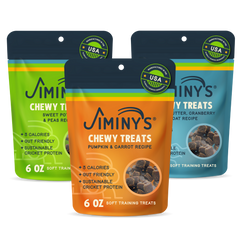
That’s why we recommend using:
Together.
WHY THIS APPROACH IS DIFFERENT FROM MANY “SENSITIVE STOMACH” FOODS
A lot of sensitive stomach foods still rely on:
- chicken meal
- hydrolyzed proteins
- highly processed fillers
- mixed protein sources
Jiminy’s takes a simpler approach:
- novel insect protein
- highly digestible nutrition
- naturally occurring prebiotic fiber
- complete amino acid profile
- fewer common allergens
Cricket protein has also demonstrated high digestibility in feeding studies — an important factor for dogs struggling with GI issues.
IS A 6-WEEK GUT RESET RIGHT FOR EVERY DOG?
No.
If your dog has:
- severe vomiting
- blood in stool
- rapid weight loss
- suspected pancreatitis
- chronic medical conditions
…work with your veterinarian first.
A gut reset is not a replacement for medical care.
But for dogs dealing with chronic low-grade digestive issues, food sensitivities, inconsistent stool, or inflammation-related symptoms, a structured elimination-style reset can be extremely useful.

FAQS
HOW LONG DOES IT TAKE TO SEE RESULTS?
Some dogs show firmer stool within days. Most noticeable improvements happen during the first 1–4 weeks. Full microbiome and inflammatory changes can take longer, which is why we recommend the full six weeks.
CAN I GIVE OTHER TREATS DURING THE RESET?
Ideally, no. Even small amounts of common proteins can interfere with the process and make results harder to interpret. Jiminy's offers a variety of treats that can be included during the gut reset - your dog does not need to go treat free during this time!
WHY DOES CHITIN MATTER?
Chitin is a natural fiber found in insects. It functions as a prebiotic, meaning it helps feed beneficial bacteria in the gut microbiome.
CAN INSECT PROTEIN HELP DOGS WITH ALLERGIES?
Many dogs tolerate insect protein well because it’s a novel protein they haven’t been repeatedly exposed to. That doesn’t guarantee every dog will respond the same way, but it can be helpful for dogs with food sensitivities.
WHAT IF MY DOG IS OVERWEIGHT OR UNDERWEIGHT?
Improved digestion and nutrient absorption can help dogs move toward a healthier body condition over time.
DO I NEED TO TRANSITION SLOWLY?
Usually yes. Most dogs do best with a gradual 5–7 day transition unless directed otherwise by a veterinarian. Read more about how to transition your dog's food.
THE BOTTOM LINE
The goal of a gut reset isn’t just better poop.
It’s reducing inflammatory triggers long enough for the gut microbiome to stabilize and the digestive system to recover.
For many dogs, removing common allergens and switching fully to insect protein creates a meaningful shift:
- firmer stool
- less gas
- better energy
- healthier weight
- improved overall wellbeing
And consistency is the key.
If you’re going to test whether food is the problem, you need to remove the variables long enough to get a real answer.