

Are you a dog lover with allergies? The joy of having a dog should be accessible to everyone, even those with allergies. While allergy medications and self-administered shots can provide relief, they aren't always necessary if you choose the right hypoallergenic dog breed for your family. Hypoallergenic dogs are breeds that are less likely to trigger allergic reactions in sensitive individuals. In this article, we'll introduce you to the top 5 popular hypoallergenic dog breeds, making it easier for you to enjoy the companionship of a furry friend.

Yorkshire Terrier
Yorkshire Terriers have a coat that more resembles human hair than dog fur. This is why Yorkshire Terriers need daily grooming just like humans. As a result, this breed of dog doesn't shed as much as other breeds, which make them a suitable breed for those who are allergic to dogs. Another factor is that the lack of excess shedding means less pet dander, which is a common allergen that sensitive individuals react to.

Bichon Frise
Bichon Frise is another hypoallergenic dog breed. These adorable dogs not only bring a lot of joy to their owners, but they don't incite allergic reactions like other dog breeds. Bison Frise have hair instead of typical dog fur. For this reason, they need frequent hair cuts, since hair grows continuously. With the lack of shedding, this breed of dog is ideal for sensitive individuals. Another great aspect as far as allergies are concerned, is that Bichon Frise have a curly and dense coat, which helps to trap and hold dander close to their bodies. This characteristic is beneficial for people with allergies, as it limits the distribution of allergens in the air.

Maltese
Looking at a Maltese, with its beautiful, flowing white coat, you might think that this dog breed are little walking allergens. However, like other hypoallergenic dog breeds, Maltese have hair instead of fur. This both reduces the amount of shedding in the home, and the amount of dander that's released into their living environment. If you like the idea of adopting a Maltese into your family, you should know that regular grooming and maintenance of a Maltese's coat can further reduce allergens. Regular brushing and bathing removes loose hair and dander from the coat, minimizing the amount of allergens even more.

Shih Tzu
Shih Tzus originated in Tibet, where they were--and still are--beloved as loyal canine companions. In the past, they were even considered sacred, and they are still highly regarded in Tibetan culture. Shih Tzus were primarily bred and kept by Tibetan monks in Buddhist monasteries.They're very popular today in the U.S. and abroad, because they are considered a hypoallergenic breed. This breed also has hair rather than fur, which means they have less dander, a common allergen. They also have a double coat that consists of a soft, dense undercoat and a longer, flowing topcoat. The undercoat acts like insulation, providing warmth when needed, while the topcoat provides protection. The combination of a double coat with hair rather than fur means less shedding and reduced allergen production.

Havanese
Havanese are another hypoallergenic dog breed to consider if you or a family member are allergic to dogs. Havanese dogs have a rich history that traces back to Cuba. They are considered the national dog of Cuba and have been cherished as beloved companions for centuries. They are named for Havana, the capital of Cuba, and in history they were so popular among the aristocracy of the country that they took on a kind of royalty status themselves. Today, Havanese are popular with those who have dog allergies because this breed has hair and not fur. Like other hypoallergenic dog breeds, this means that Havanese dog owners have much less shedding to clean up, and little to no allergens to worry about.
Why do Hypoallergenic Dogs Have Hair and Not Fur?
By now you might be curious as to how it's possible that a dog could have hair instead of fur. When experts refer to a dog having hair, what they really mean is that the dog's coat more closely resembles human hair than a typical dog's fur. It has common characteristics, including continuous growth, less thickness and less shedding.
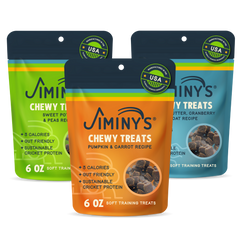
Of course, just because a particular dog breed is hypoallergenic doesn't mean the dog itself can't experience allergy symptoms. A great way to keep your dog allergen-free is to be more thoughtful about the foods and snacks they ingest. Jiminy's offers an ever-growing range of healthy, nutrient-rich and allergen-free dog food and dog snacks.

Hypoallergenic Dog Breeds — FAQ
1. What does “hypoallergenic dog” mean?
A hypoallergenic dog is a breed that tends to trigger fewer allergy symptoms in people sensitive to dogs. These breeds usually shed less and produce less dander — the tiny skin particles that cause most allergy reactions — though no dog is 100% hypoallergenic.
2. Why are some dog breeds considered better for people with allergies?
Breeds labeled “hypoallergenic” typically have hair instead of fur, or very low shedding coats. That means less loose hair and dander floating in your home, which can help mitigate allergic reactions. Regular grooming can further reduce allergens.
3. Are hypoallergenic dogs completely allergy-free?
No. Even dogs labeled hypoallergenic still produce dander, saliva, and proteins that can trigger allergies in sensitive people. What makes them “hypoallergenic” is that they generally shed less — not that they eliminate allergens entirely.
4. What are the most popular hypoallergenic dog breeds?
The Jiminy’s blog highlights these 5 popular hypoallergenic breeds:
-
Yorkshire Terrier – low shedding, hair-like coat
-
Bichon Frise – dense curly coat that traps dander
-
Maltese – flowing white hair with minimal shedding
-
Shih Tzu – double coat with less dander released
-
Havanese – silky hair, historically beloved companion breed
5. Do hypoallergenic dogs still need grooming?
Yes. Hypoallergenic dogs often require frequent grooming — including brushing and trimming — to prevent matting, remove trapped dander, and maintain coat health. Many of these breeds grow hair continuously, similar to human hair.
6. Are small hypoallergenic dogs better for apartments?
Many hypoallergenic breeds are small and adaptable, making them great apartment companions. However, temperament, exercise needs, and lifestyle fit are also important factors when choosing a dog.
7. Can mixed-breed dogs be hypoallergenic?
Yes. Mixed dogs can inherit low-shedding or low-dander coat traits from their parents. But because genetics varies widely in mixed breeds, meeting a specific allergy-friendly profile isn’t guaranteed.
8. How can I tell if I’m allergic to a dog before adopting?
Spend time with the individual dog before adoption — interactions like petting, playing, and spending an hour or more together can help gauge your reaction. Allergy responses vary between individuals and between dogs.
9. Are there large hypoallergenic dog breeds?
Yes — breeds like the Standard Poodle and Portuguese Water Dog are larger hypoallergenic options. These dogs have low-shedding coats but still need proper exercise and grooming.
10. What causes allergies to dogs?
Allergies typically stem from dander, saliva proteins, and skin flakes, rather than just fur. Even short-haired dogs can trigger a reaction, so minimizing dander exposure and regular cleaning helps manage symptoms.
11. How can I reduce allergens from my dog at home?
Helpful steps include:
-
Regular grooming and bathing
-
Frequent vacuuming and dusting
-
Using HEPA air filters
-
Keeping dog-free zones (like in the bedroom)
These practices reduce dander and hair in your living space.
12. Are hypoallergenic dogs good with families and kids?
Many hypoallergenic breeds — such as Bichon Frises, Maltese, and Havanese — are known for friendly, affectionate temperaments and can thrive in family environments with proper socialization.